


About the department
Department of Botany is dedicated to advancing knowledge in plant sciences through high-quality teaching, research, and practical training. Our curriculum covers diverse areas including plant physiology, pathology, taxonomy and ecology, ensuring students gain both theoretical understanding and hands-on laboratory experience. With a strong emphasis on field studies and experimental learning, the department prepares graduates for careers in academia, research, agriculture, and environmental management.
Research and Publications
The Department of Botany actively promotes a culture of inquiry and innovation through student and faculty research projects. Areas of focus include plant pathology, physiology, taxonomy, phytochemistry, and applied ecology, with emphasis on solving local agricultural and environmental challenges. Faculty members and postgraduate students regularly publish their findings in peer‑reviewed journals, conference proceedings, and institutional reports, contributing to the advancement of plant sciences. The department also encourages undergraduate participation in small‑scale projects, poster presentations, and seminars, fostering early exposure to scientific writing and publication ethics. This commitment to research and dissemination ensures that the department remains a vibrant hub of academic excellence and knowledge creation.
List of research papers published by faculty of Department of Botany-
- Joshi, R. C., Husain, S., Pandey, N., Fatma, N., Bisen, D., Upadhyay, R., Debnath, A., Pant, S., & Mishra, H. (2025). Experimental, quantum chemical spectroscopic investigation, topological, molecular docking/dynamics and biological assessment studies of 2,6-Dihydroxy-4-methyl quinoline. Journal of Molecular Structure, 1321(4), Article 140123. doi.org
- Lahre, R. P., Upadhyay, R., Kunjam, S., & Sahu, M. (2025). In silico and phytochemical evaluation of Andrographis paniculata for potential antidiabetic activity. Plant Biosystems - An International Journal Dealing with All Aspects of Plant Biology, 159(6), 1520–1532. https://doi.org/10.1080/11263504.2025.2541742
Vision
To nurture skilled botanists and researchers by combining classroom teaching, laboratory training, and field-based learning. The department strives to link plant science education with real-world applications in agriculture, environment, and biotechnology, thereby contributing to sustainable development and community welfare.
Mission
- Provide students with strong foundational knowledge in plant sciences through structured lectures, laboratory training, and fieldwork.
- Equip learners with practical skills in plant disease diagnosis, crop management, biodiversity documentation, and ecological assessment.
- Encourage applied research projects that address local agricultural and environmental challenges, linking classroom learning with community needs.
- Maintain a well‑curated herbarium, experimental gardens, and modern laboratories to support hands‑on learning and research.
- Foster collaborations with farmers, industries, and research institutions to translate botanical knowledge into practical solutions for society.
- Promote environmental stewardship by engaging students in conservation, eco‑restoration, and sustainable resource management activities.
Laboratories and facilities
Laboratories and facilities- The Department of Botany maintains well‑equipped laboratories that meet all prerequisites of the B.Sc. Botany syllabus as per NEP guidelines, ensuring students gain hands‑on experience in plant sciences.
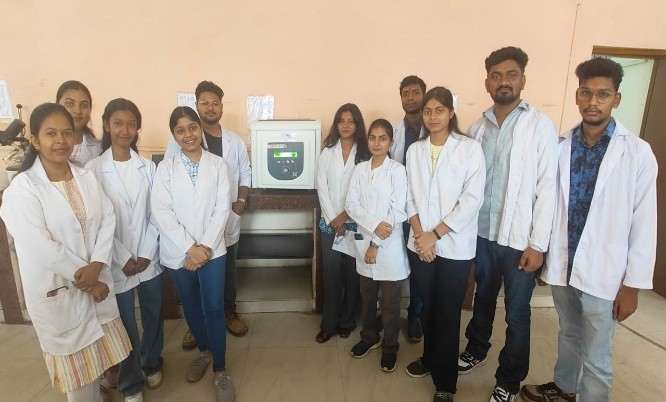
For advanced study and research, the department houses modern instruments including Soxhlet apparatus, centrifuge, vacuum rotary evaporator, incubator, hot air oven, laminar air flow cabinet, autoclave, water bath, and a range of microscopes. These facilities support practical training in plant physiology, pathology, biochemistry, and microbiology, while also enabling postgraduate students and researchers to carry out experimental work in phytochemistry, microbial culture, and ecological studies. The combination of teaching laboratories, research infrastructure, and field‑based resources provides a comprehensive environment for both learning and innovation.
Events and activities
|
S.N. |
ACTIVITY |
DATE |
|
|
June to December 2025 |
|||
|
1. |
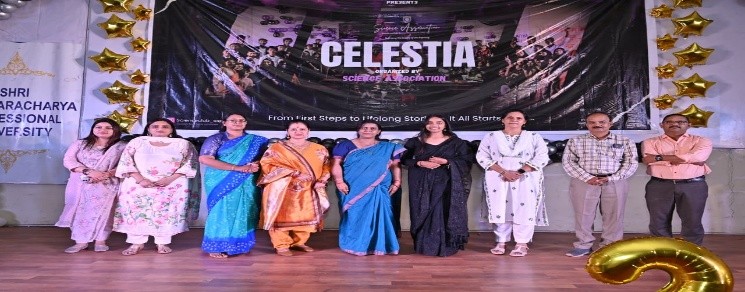
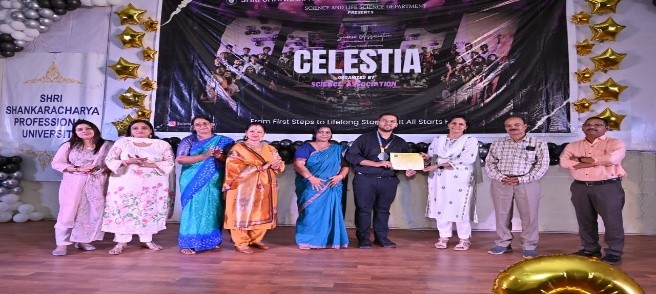
Celestia |
|
|
|
2. |
Association of Science Club and Teacher’s Day |
05/09/2025 |
|
|
3. |
World Ozone Day celebration (Poster competition) |
16/09/2025 |
|
|
4. |
|
|
|
|
5. |
Workshop on Research Methodology for PG students and Research Scholars |
16/10/2025 |
|
|
6. |
Quiz competition |
02/11/2025 |
|
|
7. |
Awareness Lecture on World Suicide Day |
25/11/2025 |
|
|
8. |
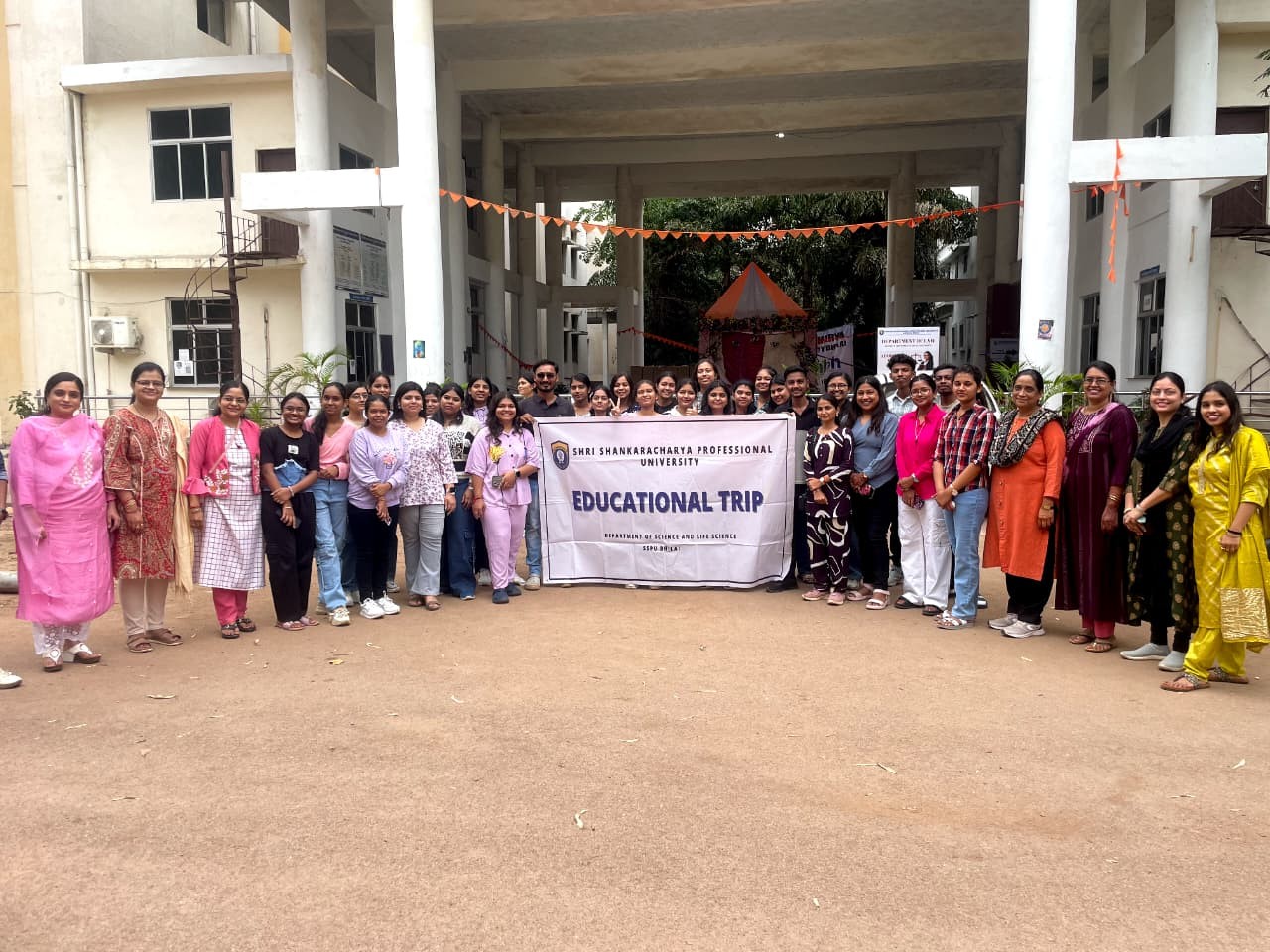
Excursion/Educational Visit |
23/12/2025 |
|
|
SEMESTER BREAK January to June 2026 |
|||
|
9. |
गौ विज्ञान परीक्षा |
09/01/2026 |
|
|
10. |
Youth day on occasion of swami Vivekananda Jayanti |
12/01/2026 |
|
|
11. |
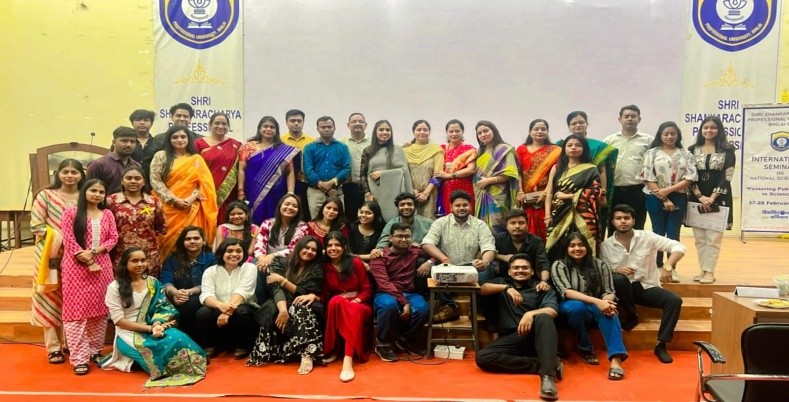
International Seminar on National Science Day |
28/02/2026 |
|
|
12. |
Women’s Day |
08/03/2026 |
|
|
13. |
Industrial Visit |
23/03/2026 |
|
|
14. |
Health Awareness Program on World Health Day |
07/04/2026 |
|
Excursion Programme
- 1. Visit to Kanha National Park ,(Madhya Pradesh ) 01/09/2025
- 2. Visit to Animal Zoo Nandan van, Naya Raipur 03/10/2025
Gallery
Faculty

Mr. Ratnakar Upadhyay
Asst. Professor

Dr. Anamika Tiwari
Assistant Professor

Dr. Reena Meshram
Assistant Professor

Dr. Parakh Sehgal
Associate Professor
 Well-qualified and experienced faculty.
 Industry tie-ups and International collaborations.
 20+ Years of Experience.
 High Standard Detailing in Academics.
 Smart Classes and Online Learning available.
