


About the Department of Biotechnology
The Department of Biotechnology at Shri Shankaracharya Professional University (SSPU), Bhilai, is dedicated to excellence in teaching, research, innovation, and skill development. Established with the vision of nurturing competent biotechnology professionals, the department offers NEP 2020-aligned undergraduate, postgraduate, and doctoral programmes that combine academic excellence with practical and research-oriented learning.The curriculum integrates fundamental and advanced concepts of biotechnology with extensive laboratory training, bioinformatics, interdisciplinary research, industrial exposure, internships, and project-based learning. Students receive hands-on experience in modern techniques and emerging areas, including molecular biology, microbiology, genetics, biochemistry, immunology, cell biology, genomics, proteomics, bioinformatics, bioprocess engineering, environmental biotechnology, agricultural biotechnology, industrial biotechnology, and computational biology.The department is equipped with well-established laboratories and ICT-enabled teaching facilities that foster experiential learning and scientific inquiry. Faculty members actively engage in research, publications, patents, consultancy, and collaborative projects, encouraging students to participate in innovation, entrepreneurship, and community outreach initiatives. With a strong emphasis on Outcome-Based Education (OBE), multidisciplinary learning, and industry-academia collaboration, the Department of Biotechnology prepares students to become skilled professionals, researchers, innovators, and entrepreneurs capable of addressing contemporary challenges in healthcare, agriculture, environmental sustainability, pharmaceuticals, and the biotechnology industry at national and global levels.
Programme Outcomes
Programme Outcomes (POs) Upon successful completion of the Biotechnology programme, graduates will be able to:
- PO1: Scientific Knowledge
Apply fundamental and advanced concepts of biotechnology, molecular biology, microbiology, genetics, biochemistry, immunology, bioinformatics, and allied life sciences to solve biological problems. - PO2: Technical and Laboratory Competence
Demonstrate proficiency in modern laboratory techniques, experimental design, instrumentation, data collection, and safe laboratory practices. - PO3: Critical Thinking and Problem Solving
Analyze scientific problems using logical reasoning, quantitative methods, and evidence-based approaches to develop effective and innovative solutions. - PO4: Research and Innovation
Design, conduct, interpret, and communicate scientific research while promoting innovation, intellectual property development, and entrepreneurial thinking. - PO5: Computational and Digital Skills
Utilize bioinformatics tools, biological databases, computational techniques, artificial intelligence applications, and digital technologies for biological data analysis and research. - PO6: Ethics and Professional Responsibility
Demonstrate ethical conduct, scientific integrity, biosafety, environmental responsibility, and professional accountability in research and biotechnology practices. - PO7: Communication and Teamwork
Communicate scientific information effectively through oral presentations, technical writing, and collaborative teamwork in multidisciplinary environments. - PO8: Lifelong Learning
Recognize the importance of continuous learning, professional development, and adaptation to emerging technologies in biotechnology and life sciences. - PO9: Industry and Societal Contribution
Apply biotechnology knowledge to address challenges in healthcare, agriculture, food security, environmental sustainability, industrial biotechnology, and public health for the benefit of society. - PO10: Employability and Entrepreneurship
Develop leadership, managerial, and entrepreneurial skills to pursue successful careers in research organizations, biotechnology industries, academia, government sectors, or start-up enterprises.
Highlights
The Department of Biotechnology offers a comprehensive, industry-oriented curriculum designed in accordance with the National Education Policy (NEP) 2020 and Outcome-Based Education (OBE) principles. The programme combines strong theoretical foundations with extensive practical exposure, preparing students for careers in academia, research, healthcare, pharmaceuticals, agriculture, and biotechnology industries.
- NEP 2020 Aligned Curriculum: Flexible and multidisciplinary curriculum with multiple entry and exit options, Academic Bank of Credits (ABC), and Choice-Based Credit System (CBCS)/CCFUGP framework.
- Outcome-Based Education (OBE): Student-centric teaching-learning approach focused on developing knowledge, technical competence, critical thinking, and professional skills.
- Advanced Laboratory Training: Hands-on experience in molecular biology, microbiology, biochemistry, genetics, immunology, plant tissue culture, and bioinformatics using modern laboratory facilities.
- Research-Oriented Learning: Opportunities to participate in research projects, dissertation work, scientific publications, patent development, and innovation activities.
- Bioinformatics and Computational Biology: Practical training in biological databases, sequence analysis, molecular docking, genomics, proteomics, and computational tools used in modern biotechnology research.
- Industry Exposure: Industrial visits, internships, expert lectures, collaborative projects, and interaction with scientists and biotechnology professionals to enhance employability.
- Skill Development: Value-added courses, certificate programmes, workshops, seminars, and hands-on training to strengthen laboratory, analytical, and communication skills.
- Entrepreneurship and Innovation: Encouragement to develop innovative ideas, start-ups, intellectual property (IP), patents, and entrepreneurial ventures through incubation and innovation initiatives.
- ICT-Enabled Learning: Smart classrooms, digital learning platforms, virtual laboratories, and e-learning resources to support interactive and technology-driven education.
- Career and Placement Support: Guidance for higher education, competitive examinations, placements, entrepreneurship, and career development through dedicated mentoring and training programmes.
Vision
To be a centre of excellence in biotechnology education and research by nurturing competent professionals, innovative researchers, ethical leaders and entrepreneurs for sustainable societal development
Mission
- Deliver quality outcome-based biotechnology education aligned with NEP 2020.
- Promote interdisciplinary research, innovation and entrepreneurship.
- Strengthen industry collaboration, internships and experiential learning.
- Foster ethical values, sustainability and community engagement.
- Encourage lifelong learning and global competitiveness.
Programmes Offered
|
Programme |
Duration |
Eligibility |
Exit Option (NEP 2020) |
Degree Awarded |
|
Bachelor of Science (B.Sc.) Biotechnology |
4 Years (8 Semesters) |
10+2 or equivalent with Biology/Biotechnology (PCB/PCMB) from a recognized Board |
After 1 Year – Certificate, After 2 Years – Diploma, After 3 Years – Bachelor's Degree, After 4 Years – Bachelor's Degree (Honours/Honours with Research)* |
B.Sc. Biotechnology / B.Sc. Biotechnology (Hons.) / B.Sc. Biotechnology (Hons. with Research)* |
|
Master of Science (M.Sc.) Biotechnology |
2 Years (4 Semesters) |
B.Sc. Biotechnology/Biological Sciences/Life Sciences or an equivalent Bachelor's Degree from a recognized University |
As per University/NEP regulations |
M.Sc. Biotechnology |
|
Doctor of Philosophy (Ph.D.) in Biotechnology |
Minimum 3 Years (Maximum as per UGC Regulations) |
Master's Degree in Biotechnology/Life Sciences/Biological Sciences or a related discipline with required eligibility |
Research-based Programme |
Ph.D. in Biotechnology |
Facilities
- Laboratories & Infrastructure : The Department of Biotechnology is equipped with modern laboratories and advanced teaching facilities that provide students with extensive hands-on training and research exposure. The department houses well-established Biotechnology, Microbiology, Molecular Biology, Biochemistry, and Bioinformatics Laboratories, supported by a central Instrumentation Facility with essential analytical equipment for practical learning and research. The department also features ICT-enabled smart classrooms, a departmental library, high-speed Wi-Fi connectivity, seminar and conference facilities, and research support infrastructure, creating an environment conducive to academic excellence, innovation, and interdisciplinary research.
- Research Areas: The Department actively promotes multidisciplinary research in frontier areas of biotechnology, including Molecular Biology, Microbiology, Genetics, Immunology, Bioinformatics, Computational Biology, Genomics, Proteomics, Drug Discovery, Medicinal and Aromatic Plants, Agricultural Biotechnology, Industrial Biotechnology, Environmental Biotechnology, Bioprocess Engineering, Nanobiotechnology, Precision Medicine, Artificial Intelligence in Biotechnology, and Translational Biomedical Research. Faculty members and scholars collaborate across disciplines to address emerging challenges in healthcare, agriculture, environmental sustainability, and industrial biotechnology.
- Research & Innovation : Research and innovation form the cornerstone of the department's academic ecosystem. Faculty members, research scholars, and students are actively encouraged to undertake interdisciplinary and translational research, publish their findings in high-impact Scopus, Web of Science, and UGC-CARE indexed journals, author books and book chapters, secure research grants, and file patents. The department promotes a vibrant research culture through funded projects, collaborative research, innovation initiatives, conferences, workshops, Faculty Development Programmes (FDPs), and partnerships with academic institutions, research organizations, and industry.
- Industry Interaction : The department maintains strong collaborations with biotechnology industries, healthcare organizations, research laboratories, and academic institutions to enhance students' professional competence and employability. Regular industrial visits, internships, in-plant training, expert lectures by industry professionals, collaborative research projects, skill development programmes, entrepreneurship initiatives, and placement assistance provide valuable exposure to real-world applications of biotechnology and facilitate a seamless transition from academia to industry.
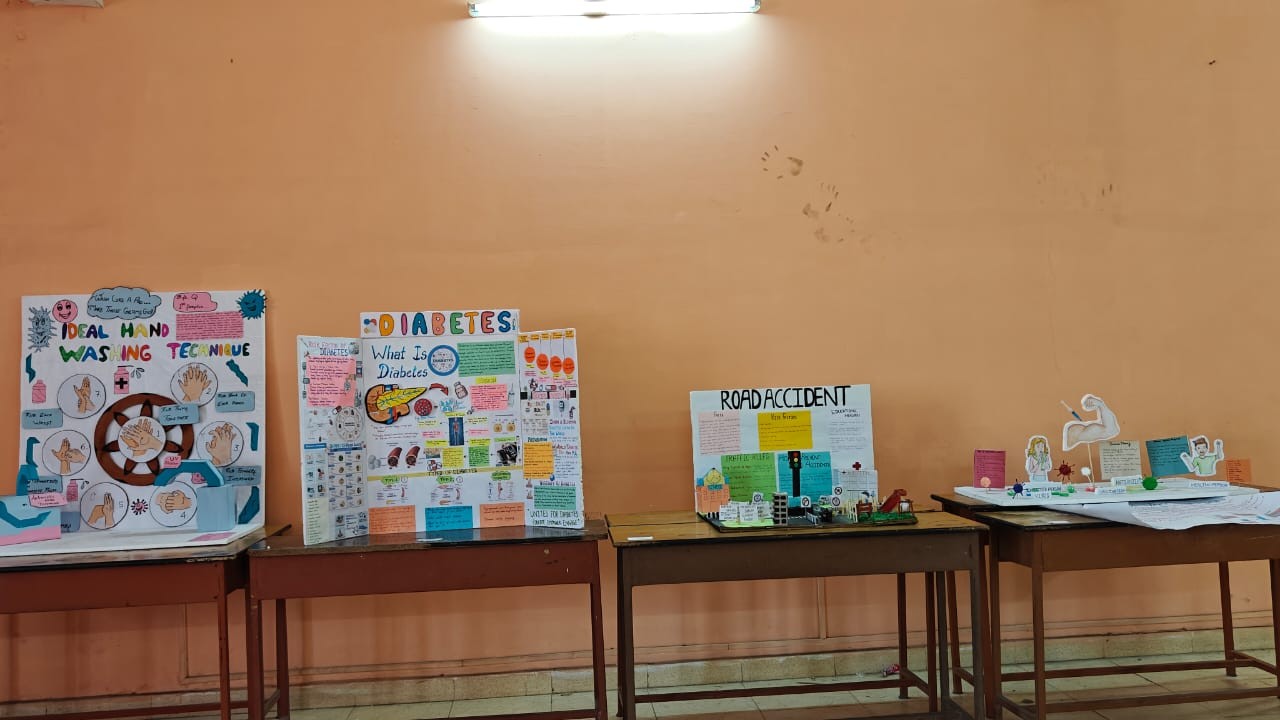
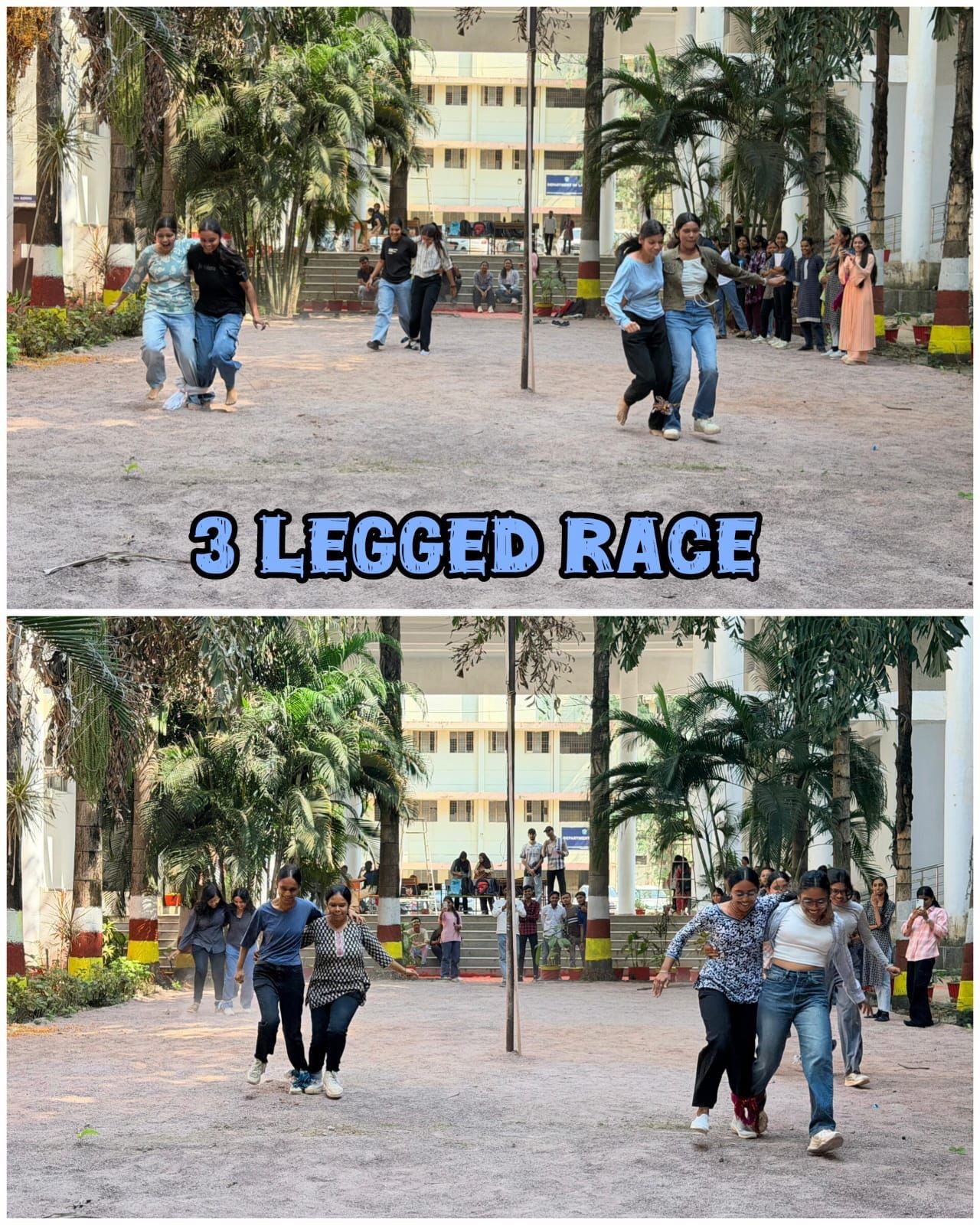
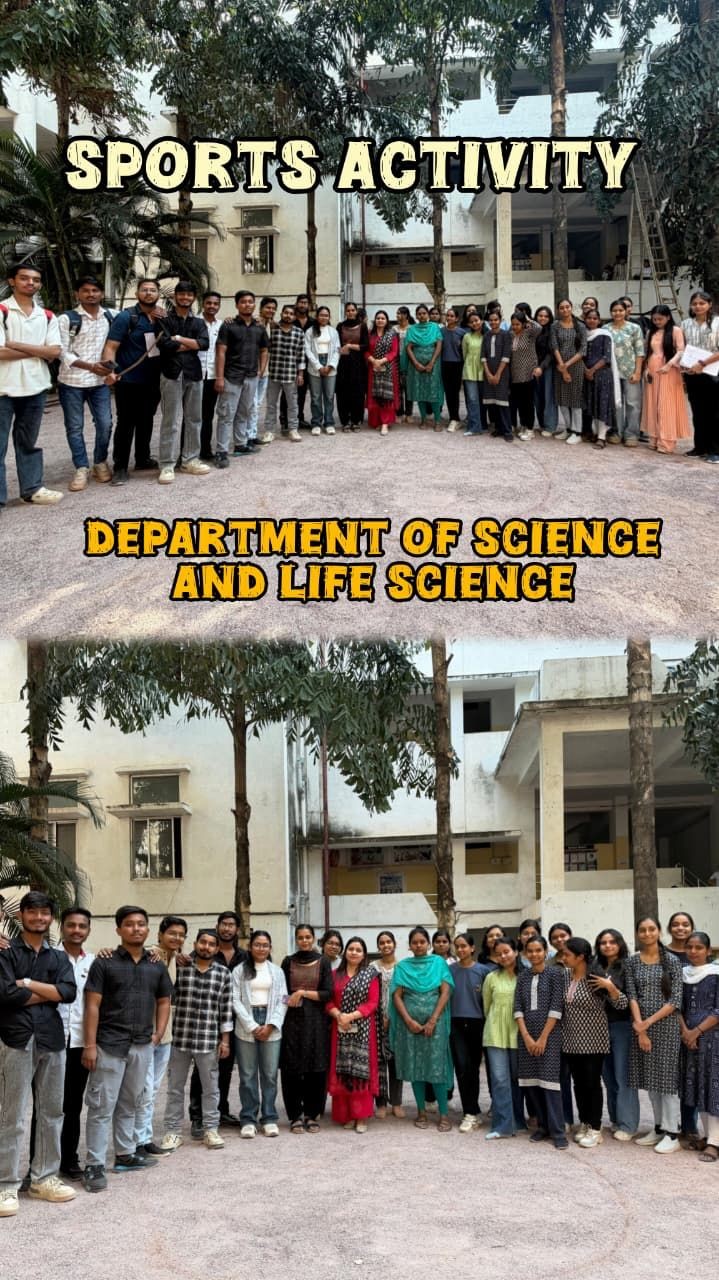
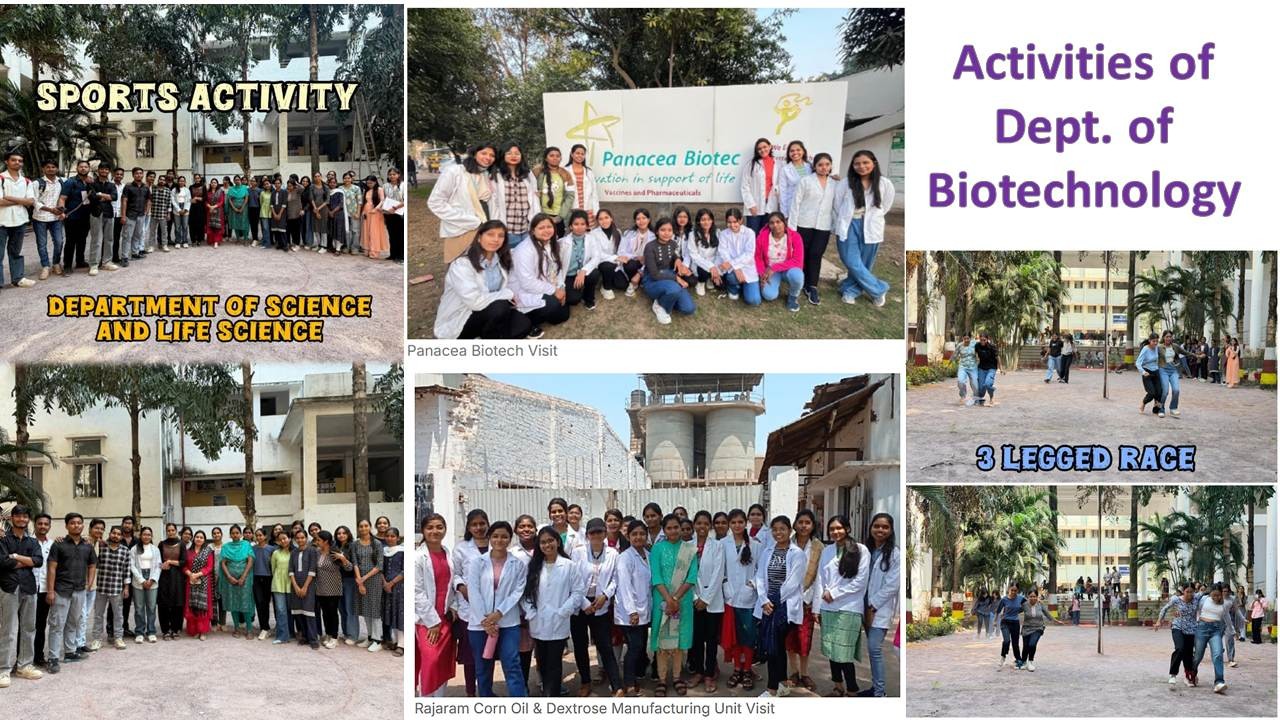
- Student Activities : The Department encourages holistic student development through a wide range of academic, research, technical, cultural, and community engagement activities. Students actively participate in national and international seminars, workshops, conferences, expert lectures, Biotechnology Day celebrations, poster and paper presentation competitions, quiz contests, hackathons, scientific exhibitions, innovation challenges, NSS activities, community outreach programmes, industrial visits, and environmental awareness campaigns. These activities foster scientific curiosity, leadership, teamwork, communication skills, and social responsibility.
- Achievements : The Department has consistently demonstrated excellence in academics, research, and innovation through high-quality research publications, books and book chapters, patents, funded research projects, conference presentations, academic awards, student achievements, university merit positions, innovation activities, and collaborative research initiatives. Faculty members and students continue to contribute significantly to scientific advancement and societal development through impactful research and academic excellence.
- Future Vision : The Department envisions becoming a nationally recognized centre of excellence in biotechnology education, research, and innovation. It aims to establish advanced research laboratories, strengthen national and international academic and industrial collaborations, promote translational research, encourage patent generation and technology commercialization, foster entrepreneurship and start-up incubation, and integrate emerging technologies such as Artificial Intelligence, Genomics, Precision Medicine, and Synthetic Biology into teaching and research. Through continuous innovation and academic excellence, the department strives to produce globally competent biotechnology professionals capable of addressing future scientific and societal challenges.
Gallery

Faculty

Dr. Shaifali Mathur
Assistant Professor

Dr. Parakh Sehgal
Assistant professor

Dr Madhuri Patel
Assistant Professor
 Well-qualified and experienced faculty.
 Industry tie-ups and International collaborations.
 20+ Years of Experience.
 High Standard Detailing in Academics.
 Smart Classes and Online Learning available.
